
Seasonal Car Prep: What Changes When the Temperature Does

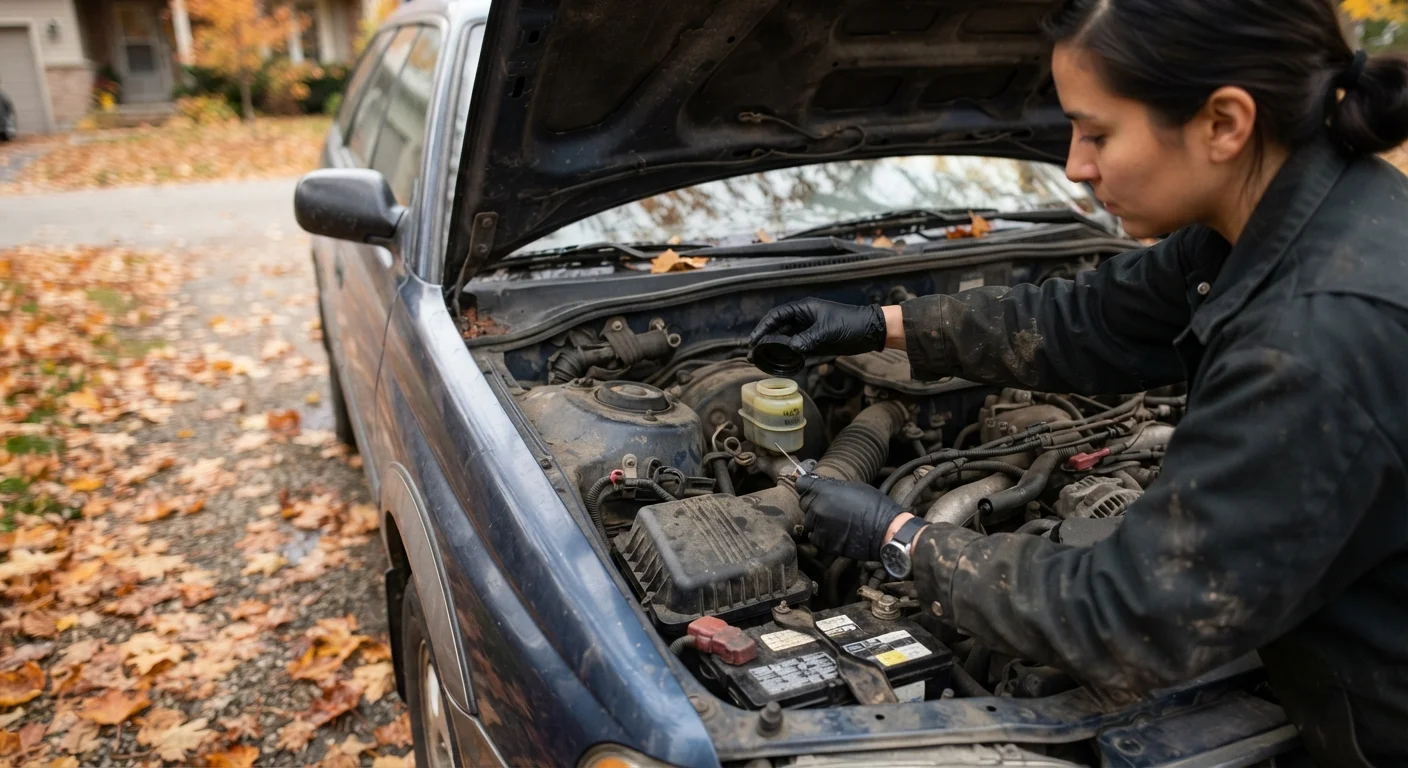
Photo: latesttrend.net editorial
Key Takeaways
- Battery capacity drops significantly in cold weather, making a pre-winter voltage check worth doing.
- Coolant concentration affects both freeze protection and overheating prevention year-round.
- Tire pressure changes roughly 1 PSI for every 10-degree Fahrenheit shift in temperature.
- Summer heat accelerates fluid breakdown, so checking levels matters in warm months too.
- Most seasonal checks cost nothing and can prevent repairs that run into hundreds of dollars.
Why temperature swings matter for your car
A vehicle that runs fine in September can develop real problems by January or July without a single mechanical failure. Temperature changes alter how fluids behave, how much load batteries carry, and how much air fits in a tire. None of that requires a breakdown to cost you money: a sluggish cold start or an overheated engine can shorten component life even when the car keeps moving.
The good news is that most seasonal preparation involves checking things you already own rather than buying new parts. A basic fluid walkthrough takes under 15 minutes and costs nothing. This checklist organizes those checks by category so you can work through them systematically before each seasonal shift rather than reacting after something goes wrong.
If any item reveals something outside spec, see our breakdown of DIY versus shop repairs to decide whether it is a safe home fix or a job better handed to a mechanic.
What to check and when
The checklist below covers two seasonal windows: the transition into cold weather (roughly fall) and the transition into heat (roughly spring). Some items apply to both. Work through the relevant group before temperatures settle into their seasonal range, not after.
Cold-weather preparation (fall)
Hot-weather preparation (spring)
Year-round checks worth doing at each seasonal transition
A note on tires: if you run all-season tires year-round, pressure checks matter more than they do with seasonal swaps. A tire that reads 32 PSI at 70 degrees can read 28 or 29 PSI at 30 degrees, which is often below the vehicle manufacturer's minimum. Check the placard on the driver's door jamb, not the number molded into the tire sidewall.
Do not rely on the TPMS light alone
Owners of recently purchased used vehicles should pay closer attention to baseline fluid conditions. Setting a maintenance baseline on a used car helps you know whether the coolant was last flushed a year ago or five years ago, which changes how you interpret what you see under the hood.
Tools and supplies you will actually need
Most seasonal checks require only items already in a basic toolkit. A few inexpensive testers make the electrical and coolant checks more reliable.
Tire pressure gauge
Reads actual tire pressure so you can compare it against the door placard spec.
Battery load tester or voltmeter
Checks battery voltage and load capacity, which is the most reliable predictor of cold-start failure.
Coolant test strips or refractometer
Measures the freeze and boil protection level of the coolant in your radiator.
Tread depth gauge
Gives a precise millimeter or 32nds reading of remaining tire tread rather than a visual estimate.
Funnel and rags
Needed for safe fluid top-offs without spills on belts or hot components.
Flashlight or work light
Illuminates the engine bay for inspecting hoses, belts, and fluid levels in low-light conditions.
Costs to expect if you skip seasonal prep
Deferred seasonal maintenance tends to produce specific, predictable failures. A battery that has not been tested going into winter and fails during a cold snap typically costs $150 to $250 to replace, plus a potential tow. A coolant system that runs low on antifreeze concentration and freezes can crack a block or heater core, repairs that can reach $1,000 or more depending on the vehicle.
Tire underinflation from cold-weather pressure drop adds rolling resistance, which reduces fuel economy by a measurable amount over the course of a winter. The tire pressure monitoring system (TPMS) light may not activate until a tire is 25 percent below recommended pressure, well past the point where fuel economy and tire wear are already affected.
Some of these failure scenarios are based on widely documented repair cost ranges and are not guarantees. Vehicle age, model, and prior maintenance history all affect outcomes. Common repair cost misconceptions are worth reviewing before assuming a seasonal repair is more or less expensive than expected.
The content provided on our blog site traverses numerous categories, offering readers valuable and practical information. Readers can use the editorial team’s research and data to gain more insights into their topics of interest. However, they are requested not to treat the articles as conclusive. The website team cannot be held responsible for differences in data or inaccuracies found across other platforms. Please also note that the site might also miss out on various schemes and offers available that the readers may find more beneficial than the ones we cover.