
DIY Repairs Homeowners Can Safely Handle vs. Work That Needs a Licensed Pro

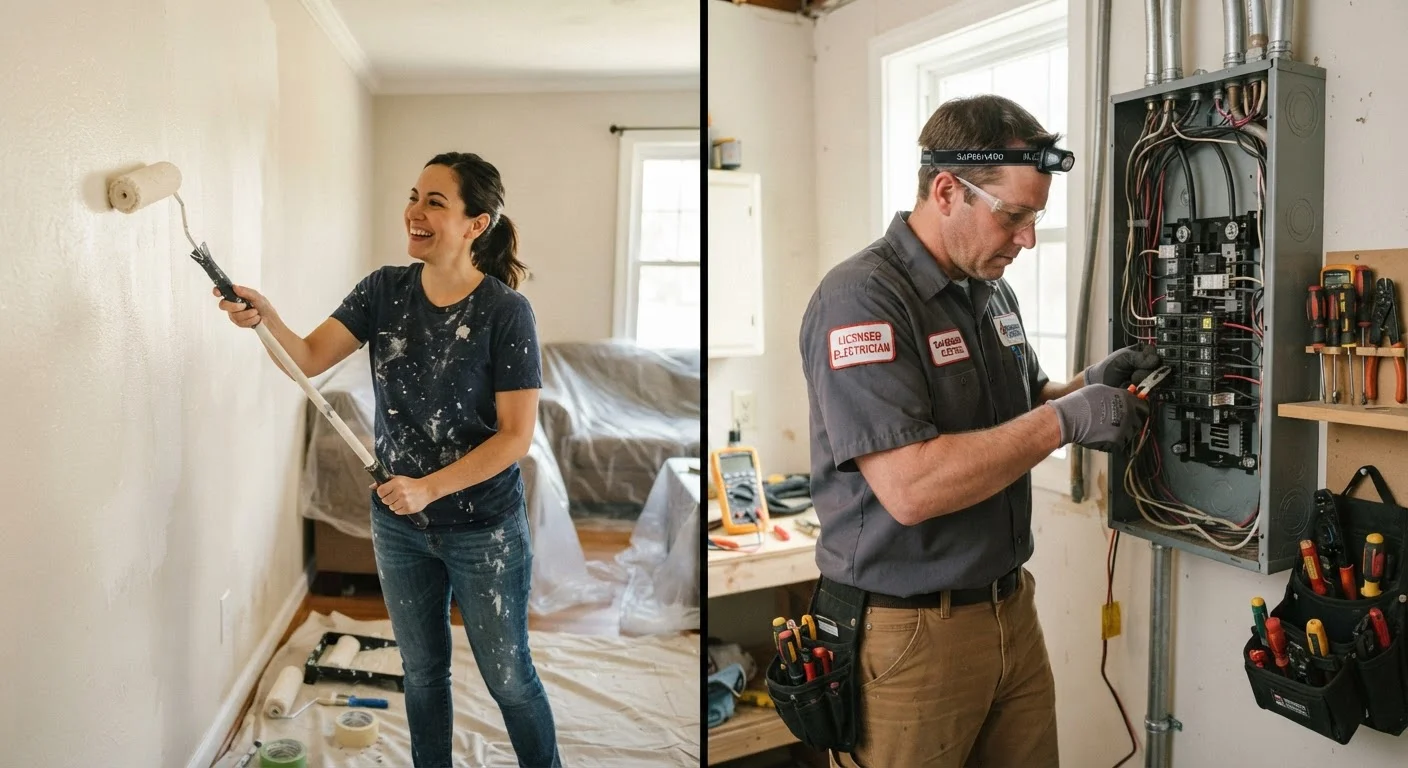
Photo: latesttrend.net editorial
Key Takeaways
- Cosmetic repairs, minor plumbing fixes, and basic carpentry are generally safe for capable homeowners to handle.
- Electrical panel work, gas lines, structural changes, and most roofing require a licensed professional in nearly every state.
- Unpermitted or improperly completed work can void homeowner's insurance and complicate a future home sale.
- The cost of a botched DIY repair often exceeds what a licensed contractor would have charged originally.
- Knowing which category a job falls into before starting is the most important cost-saving step.
What makes a repair DIY-appropriate
A repair is a reasonable DIY candidate when it meets three conditions: the work does not require a permit, a mistake causes minor and reversible damage, and the tools needed are standard or easily rented. Most cosmetic and surface-level tasks fall here.
Painting interior walls, patching drywall holes up to a few inches wide, replacing a faucet, swapping a toilet fill valve, installing a ceiling fan on an existing wired box, and re-caulking a tub surround are all jobs that fall within this zone for a careful homeowner who follows manufacturer instructions and watches a few reliable how-to sources. For decisions on whether to buy or borrow the tools those jobs need, see this comparison of renting vs. buying tools.
Routine maintenance tasks sit in the same category. Cleaning gutters, replacing HVAC filters, weatherstripping doors, and sealing minor gaps around windows are low-risk, low-cost jobs that pay off over time. A consistent maintenance schedule can prevent the failures that generate the large bills. Preventive maintenance tasks that head off expensive repairs covers that ground in detail.
| Task type | DIY | Licensed pro | |
|---|---|---|---|
| Painting and drywall patching | Generally safe, no permit needed | Not required | |
| Faucet and toilet valve replacement | Safe with water shutoff | Not required | |
| Ceiling fan installation (existing box) | Safe on existing circuit | Not required | |
| New electrical circuits or panel work | Not recommended, high risk | Required in most jurisdictions | |
| Gas line work | Do not attempt | Required; permit typically needed | |
| Load-bearing wall or structural changes | Do not attempt without engineer review | Required; permit needed | |
| Main sewer or drain stack | Not recommended | Licensed plumber recommended | |
| Re-caulking tub surround | Safe, straightforward | Not required |
Work that belongs with a licensed professional
Several categories of home repair involve systems where an error can cause fire, flooding, carbon monoxide exposure, or structural collapse. Local building codes in nearly every U.S. jurisdiction require permits and licensed contractors for these jobs, and for practical reasons.
Electrical panel and wiring work. Replacing a light switch on a properly shut-off circuit is generally low-risk. Anything touching the main panel, adding new circuits, or rewiring rooms requires a licensed electrician. Incorrect wiring is one of the leading causes of residential fires.
Gas lines. Any work on supply lines, gas appliance connections beyond approved flex-line replacements, or gas water heater installations should go to a licensed plumber or gas fitter. Leaks are not always detectable by smell alone, and the consequences of an error are severe.
Load-bearing structure. Removing or modifying a wall, altering a beam, or changing roof framing requires an assessment by a structural engineer or licensed contractor. Visible cracks, sagging floors, or bowing walls also warrant a professional inspection before any DIY work begins.
Main sewer line and drain stack. Clearing a slow drain with a plunger or hand auger is fine. Work on the main sewer line or the primary drain stack that runs vertically through the house requires a licensed plumber, often a permit, and sometimes a camera inspection to diagnose properly.
For a broader look at how these trade-offs play out in one specific room, the trade-offs of tackling a bathroom refresh yourself walks through permits, plumbing, and moisture risks in detail.
The financial case for calling a pro
The instinct to save on labor costs is sound, but the math only works when the repair is completed correctly the first time. A failed attempt at waterproofing a basement wall, for example, can produce mold damage that costs several times more to remediate than a licensed waterproofing contractor would have charged.
Unpermitted work creates a separate financial problem. When a home is sold, unpermitted additions or alterations typically must be disclosed. A buyer's inspector who finds unpermitted electrical or structural work can trigger a price renegotiation, require the work to be torn out and redone to code, or cause a deal to fall through entirely.
Homeowner's insurance is another factor. Some policies exclude damage caused by unpermitted work or work performed in violation of local code. If a DIY electrical job causes a fire and the insurer determines the wiring was non-compliant, coverage may be reduced or denied.
The same logic that applies to home repairs applies in other maintenance contexts. DIY car care vs. taking it to a shop covers the same cost-versus-risk calculation for vehicles. And for a wider view of which home tasks are worth doing yourself across the year, DIY home upkeep vs. hiring out provides a broader comparison.
How to read a job before you start
Before picking up a tool, answer these four questions about any repair:
- Does this work require a permit in my city or county? Check your local building department website; most publish permit requirement lists online.
- If I make a mistake, what is the worst-case outcome? A cosmetic flaw differs from a gas leak or a ceiling collapse.
- Do I own or can I rent the tools needed to do this correctly? Improvised tools produce improvised results.
- Has a professional already inspected the underlying system? For anything involving water intrusion, structural movement, or intermittent electrical faults, a diagnostic inspection before DIY work prevents treating symptoms while the real problem continues.
If any answer raises a flag, get at least one licensed contractor estimate before proceeding. Many contractors provide free estimates, and the estimate itself gives useful information about scope, materials, and what code requires.
The content provided on our blog site traverses numerous categories, offering readers valuable and practical information. Readers can use the editorial team’s research and data to gain more insights into their topics of interest. However, they are requested not to treat the articles as conclusive. The website team cannot be held responsible for differences in data or inaccuracies found across other platforms. Please also note that the site might also miss out on various schemes and offers available that the readers may find more beneficial than the ones we cover.