
Renting vs. Buying Tools for Home Projects

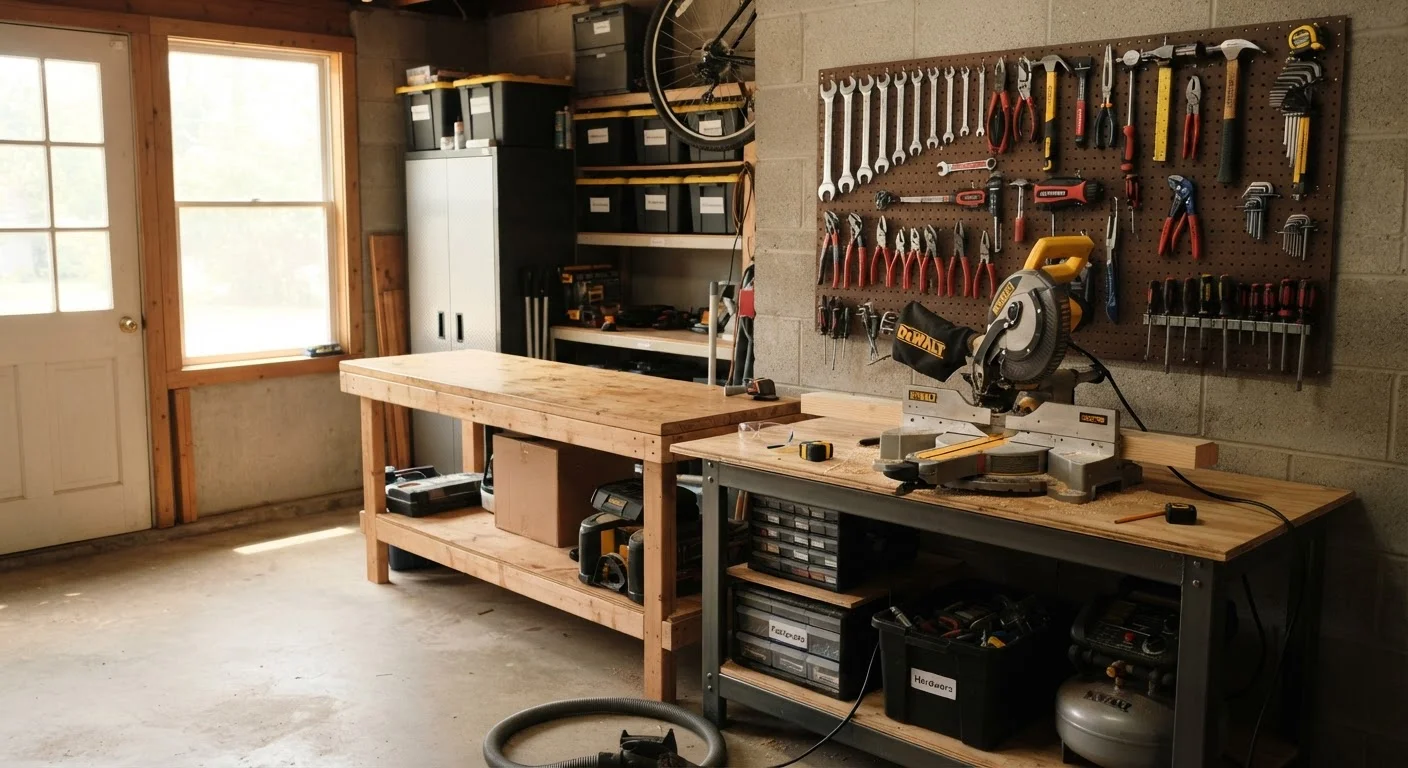
Photo: latesttrend.net editorial
Key Takeaways
- Renting makes financial sense for large, specialized tools used only once or twice per year.
- Buying pays off when you will use a tool repeatedly across several projects over time.
- Storage space and maintenance obligations are real ownership costs that rental avoids.
- Rental fees vary widely by tool type and duration, so comparing total costs before each project matters.
- A mixed strategy, owning everyday tools and renting heavy equipment, suits most homeowners.
How rental and ownership costs actually compare
The math on tool rental versus buying depends on two numbers: how much the tool costs to purchase and how often you will use it. A basic formula is to divide the purchase price by the typical rental rate for that tool. If that number is less than the times you expect to use it in a year, buying generally costs less over time.
For example, a mid-range power drill might cost around $100 to $150 to buy outright. A daily rental for a comparable drill at a home improvement center typically runs $25 to $40. If you use a drill more than four or five times a year, ownership becomes the more economical path relatively quickly. Heavy equipment tells a different story. A tile saw, floor sander, or trencher can cost $400 to over $1,000 to buy, while daily rentals may run $60 to $150. For a homeowner who uses one of those tools once every few years, renting avoids a large outlay and eliminates storage problems.
See our guide to budgeting for home maintenance for help estimating how many projects you are likely to tackle each year.
| Criterion | Renting tools | Buying tools |
|---|---|---|
| Upfront cost | Low (daily or weekend fee) | Higher purchase price |
| Long-term cost for frequent use | Fees accumulate quickly | Lower total over time |
| Storage required | None | Yes, varies by tool size |
| Maintenance responsibility | Handled by rental center | Owner's responsibility |
| Access to heavy equipment | Wide selection available | Expensive to purchase |
| Convenience | Requires trip to rent and return | Available at home anytime |
| Best project fit | One-off or rare tasks | Frequent, repeat projects |
Hidden costs on both sides
Purchase price is not the full cost of ownership. Tools need periodic maintenance: blade replacements, battery packs, cleaning, and occasional calibration. Cordless tool batteries degrade over time and can cost $30 to $80 each to replace. Storage is another factor. A compact drill fits in a cabinet, but a tile saw or air compressor requires dedicated floor space in a garage or shed.
Rental has its own added costs. Most rental centers charge for a full day even if you return the tool after a few hours. Weekend projects that run long can push you into a second billing period. Some centers require a deposit or charge for consumables such as saw blades. Returning a tool late, or returning it with damage, can add fees that close the gap with buying.
For projects where the decision between doing the work yourself and hiring a professional is still open, the comparison of DIY versus hiring out walks through how to weigh both sides financially.
Tools that almost always make sense to own
Certain tools get used on virtually every home project, which makes buying them straightforward. A cordless drill and driver, a tape measure, a utility knife, a level, and basic hand tools (hammers, screwdrivers, pliers) fall into this group. These items are inexpensive relative to their frequency of use, and most rental centers do not stock them anyway.
A circular saw, jigsaw, or random-orbit sander occupy a middle ground. They cost more to buy but are common enough across different project types that homeowners who do regular maintenance and repair work tend to recoup the purchase price within a year or two of use. The list of preventive maintenance tasks gives a sense of how often these tools come into play for routine upkeep.
4-5x
Uses before buying beats renting a basic power tool
A rough breakeven point based on typical retail prices and standard daily rental rates at home improvement centers.
$60-$150
Typical daily rental rate for heavy equipment
Common rate range for floor sanders, tile saws, and similar specialty tools at regional rental centers.
$30-$80
Replacement cost for a cordless tool battery pack
A recurring ownership cost that can affect the total cost of owning battery-powered tools over several years.
Tools that typically make more sense to rent
Heavy or task-specific equipment is where rental offers the clearest advantage. Floor sanders, wet-tile saws, pipe threaders, electric augers, pressure washers above residential grade, and concrete equipment are expensive to buy and rarely needed more than once a project cycle. Renting also means the rental center handles maintenance, calibration, and safe storage between uses.
For any project involving electrical panels, gas lines, or load-bearing structure, the tool question matters less than the safety question. Some work legally requires a licensed contractor regardless of what equipment is available. The breakdown of DIY repairs versus licensed professional work covers which tasks fall into that category, so you can avoid situations where renting or buying a tool still does not make the project legal or safe to attempt yourself.
The content provided on our blog site traverses numerous categories, offering readers valuable and practical information. Readers can use the editorial team’s research and data to gain more insights into their topics of interest. However, they are requested not to treat the articles as conclusive. The website team cannot be held responsible for differences in data or inaccuracies found across other platforms. Please also note that the site might also miss out on various schemes and offers available that the readers may find more beneficial than the ones we cover.