
The Real Trade-Offs of Tackling a Bathroom Refresh Yourself

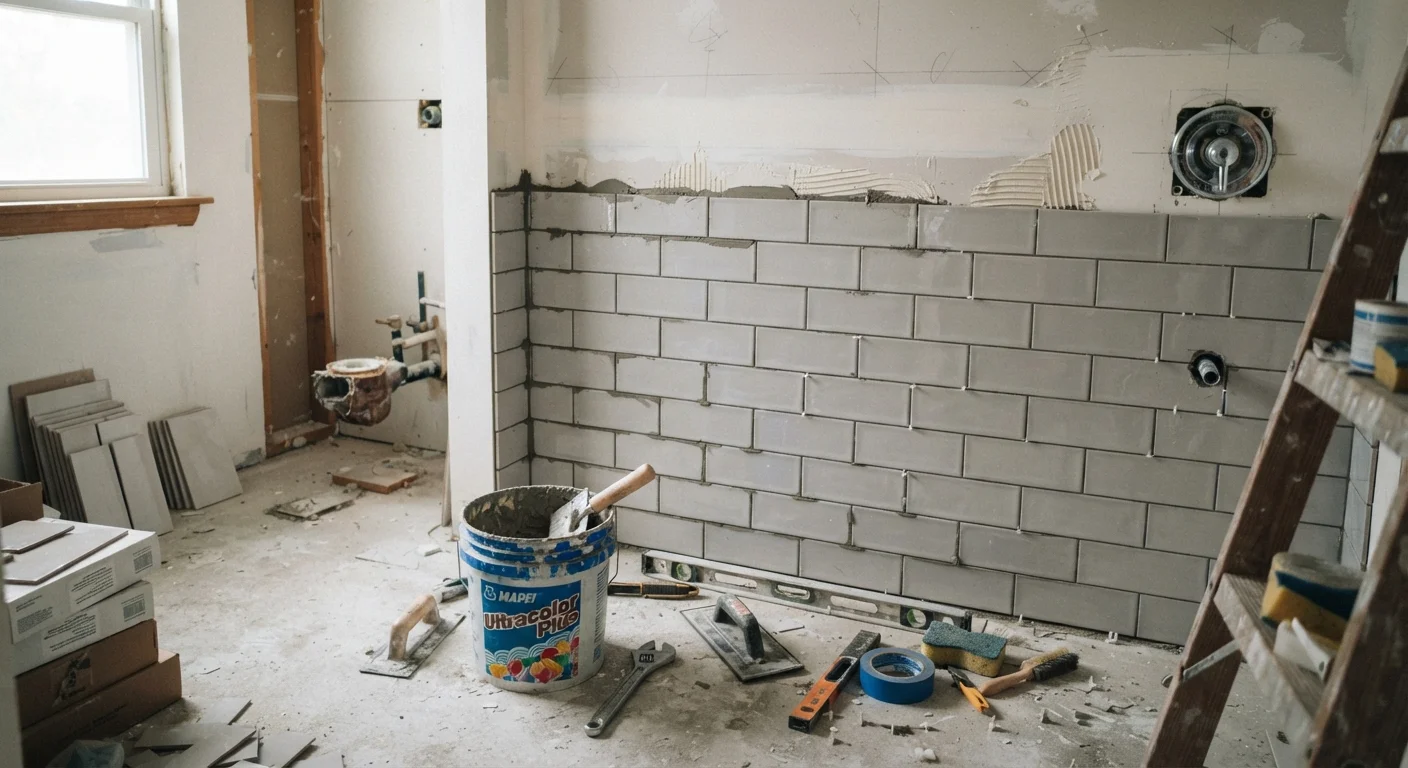
Photo: latesttrend.net editorial
Key Takeaways
- DIY bathroom work can cut labor costs significantly, but savings depend heavily on the scope of the job.
- Electrical, plumbing, and structural work typically requires permits and licensed contractors in most U.S. jurisdictions.
- Moisture is the biggest long-term risk in any bathroom project; improper waterproofing causes mold and structural damage.
- Tool rental can reduce upfront costs for one-time jobs like tile cutting or caulk removal.
- Honest skill assessment before starting prevents costly mid-project corrections.
Labor savings on cosmetic work
Painting, regrouting, and fixture swaps involve no subcontractors, and labor often represents the largest line item in a professional quote.
Flexible scheduling on your timeline
Homeowners can start when it suits them and pause between phases, avoiding the wait times common in contractor booking.
Direct control over material choices
Buying your own tile, grout, and fixtures lets you shop across price points without markup from a contractor's supplier.
Skill-building for future maintenance
Completing a caulk refresh or faucet swap builds familiarity with the bathroom's plumbing layout, which helps with future maintenance calls.
Moisture errors cause hidden, expensive damage
Water that seeps behind improperly set tile or inadequate caulk can cause mold and rot inside walls before any surface sign appears.
Permits required for plumbing and electrical work
Most U.S. municipalities require permits for supply line, drain, or circuit work; unpermitted jobs can affect a home sale and insurance claims.
Tool costs can erode projected savings
Tile saws, grout removal tools, and specialty caulking equipment add up quickly if purchased outright for a single project.
Mid-project surprises often need a licensed trade
Old shut-off valves that fail, corroded drain flanges, or wiring that does not match current code turn a cosmetic job into a professional repair.
Curing and drying time is frequently underestimated
Grout and silicone caulk both require full cure periods before water exposure; rushing these steps shortens their effective lifespan significantly.
What counts as a bathroom refresh
A bathroom refresh covers a wide range of work, from repainting walls and swapping a vanity light to retiling a shower floor or relocating a toilet drain. Those tasks sit at very different points on the difficulty and risk scale, and lumping them together is where many cost estimates go wrong.
For this article, the focus is on mid-scope work: replacing fixtures, refreshing tile or grout, updating a vanity, and improving caulk and waterproofing. Full gut renovations that move walls or reroute plumbing are a separate category covered in more depth in the breakdown of DIY repairs versus licensed professional work.
Understanding the project scope first is the single most useful thing a homeowner can do before budgeting time or money.
Potential advantages of doing it yourself
Labor savings on cosmetic work
Painting, regrouting, and fixture swaps involve no subcontractors, and labor often represents the largest line item in a professional quote.
Flexible scheduling on your timeline
Homeowners can start when it suits them and pause between phases, avoiding the wait times common in contractor booking.
Direct control over material choices
Buying your own tile, grout, and fixtures lets you shop across price points without markup from a contractor's supplier.
Skill-building for future maintenance
Completing a caulk refresh or faucet swap builds familiarity with the bathroom's plumbing layout, which helps with future maintenance calls.
Labor typically accounts for 40 to 60 percent of a bathroom renovation estimate, so self-performing the work can produce real savings on straightforward jobs. Painting, replacing a faucet, regrouting tile, and installing a new vanity mirror are all within reach for someone comfortable with basic tools and willing to read manufacturer instructions carefully.
Scheduling flexibility is another genuine benefit. Contractors book weeks out in many markets; a homeowner with a free weekend can start immediately. For families watching every dollar, that flexibility also means breaking the project into phases as budget allows rather than financing the whole job at once.
For tool-intensive tasks like tile cutting, tool rental often makes more financial sense than purchasing for a one-time project.
Real risks and disadvantages to weigh
Moisture errors cause hidden, expensive damage
Water that seeps behind improperly set tile or inadequate caulk can cause mold and rot inside walls before any surface sign appears.
Permits required for plumbing and electrical work
Most U.S. municipalities require permits for supply line, drain, or circuit work; unpermitted jobs can affect a home sale and insurance claims.
Tool costs can erode projected savings
Tile saws, grout removal tools, and specialty caulking equipment add up quickly if purchased outright for a single project.
Mid-project surprises often need a licensed trade
Old shut-off valves that fail, corroded drain flanges, or wiring that does not match current code turn a cosmetic job into a professional repair.
Curing and drying time is frequently underestimated
Grout and silicone caulk both require full cure periods before water exposure; rushing these steps shortens their effective lifespan significantly.
Bathrooms are wet environments, and moisture errors are unforgiving. Improperly set tile, missed waterproofing membrane gaps, or inadequate caulk around a tub surround can allow water to seep behind walls for months before any visible sign appears. By the time mold or rot shows, repair costs can far exceed the original labor savings.
Permit requirements catch many DIYers off guard. Most U.S. jurisdictions require permits for work that touches plumbing supply or drain lines, electrical circuits, or ventilation. Unpermitted work can complicate a home sale and, in some cases, void homeowner's insurance coverage for related damage. Verify local requirements with your municipality before starting.
When you need a permit for bathroom work
Where the cost math actually works
Paint is the clearest win: bathroom-grade paint with mold-inhibiting properties costs a fraction of what a painter charges, and the skill floor is low. Faucet and showerhead replacements on existing supply connections are another reasonable DIY task for most homeowners, provided shutoff valves work and no supply lines need extending.
Grout and caulk refresh falls in the middle. The materials are inexpensive and the technique is learnable, but poor execution on a shower floor leads directly to the moisture problems described above. Watching multiple instructional sources and doing a dry run on a low-stakes section first reduces that risk.
Vanity cabinet swaps can save several hundred dollars in labor if the rough-in plumbing lines up with the new unit. When they do not align, the project crosses into licensed-plumber territory. Some widely repeated advice about bathroom DIY overstates how simple these adjustments are, so confirm measurements and connection types before purchasing a new cabinet.
For ongoing upkeep that prevents a refresh from becoming a full renovation, regular low-cost maintenance habits around caulk inspection and exhaust fan cleaning go a long way.
Setting a realistic budget and timeline
A cosmetic refresh covering paint, new hardware, a vanity light swap, and regrouting typically runs between $200 and $800 in materials for a standard bathroom, depending on fixture choices. Budget an additional 15 to 20 percent for waste, unexpected supply runs, and small tool purchases.
Timeline estimates routinely undercount drying and curing time. Grout requires at least 24 hours before light use and 72 hours before sealing. Silicone caulk around a tub surround needs a full 24 hours before water contact. Projects that skip curing time to meet a deadline are the ones that fail early.
If any phase of the project turns out to involve moving a supply line, adding a circuit, or altering a drain, stop and get a licensed professional involved. The comparison of DIY upkeep versus hiring out lays out when each choice makes financial sense across different task types.
The content provided on our blog site traverses numerous categories, offering readers valuable and practical information. Readers can use the editorial team’s research and data to gain more insights into their topics of interest. However, they are requested not to treat the articles as conclusive. The website team cannot be held responsible for differences in data or inaccuracies found across other platforms. Please also note that the site might also miss out on various schemes and offers available that the readers may find more beneficial than the ones we cover.