
Kid-Friendly Destinations Across the US That Reward Slow Travel

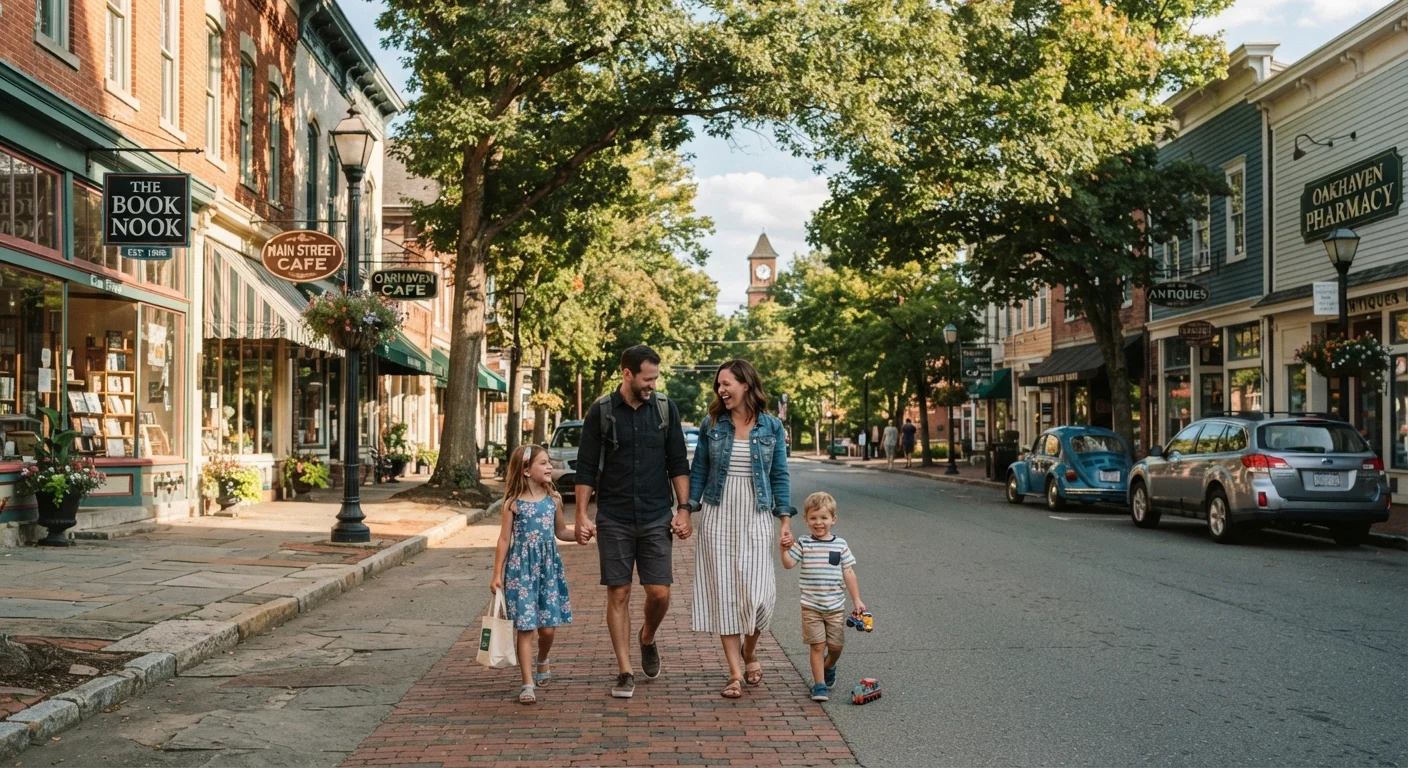
Photo: latesttrend.net editorial
Key Takeaways
- Spending several days in one place reduces transportation costs and decision fatigue for families.
- Many US destinations with rich outdoor and cultural access have lower lodging costs outside major metros.
- Kid-friendly slow travel works best where there is walkable variety: nature, food, and low-pressure exploration.
- Vacation rentals with kitchens can cut daily food costs significantly when you stay put for a week or more.
- Off-peak timing at these destinations opens up availability and lowers prices without sacrificing the experience.
Why slow travel makes financial sense for families
Slow travel, staying in one place for five days or more rather than hopping between cities, tends to reduce the costs that eat family travel budgets fastest: daily transit, parking fees, luggage check-ins, and the expensive convenience meals that come with constant movement. When a family unpacks once, shops at a local grocery store, and figures out the neighborhood, the per-day cost typically drops.
That math works even better when the destination has genuine depth: things to do on day four that are different from day one. The places listed below share that quality. None of them require a theme park admission to fill a week, though most have nearby options if that is what your kids want. All of them reward the family that goes slower than average.
For families planning to drive rather than fly, our road trip budget guide covers the logistics in detail. And if you are weighing whether to rent a house rather than book a hotel, the honest pros and cons of vacation rental homes are worth reading before you commit.
Asheville, North Carolina
Asheville gives families a walkable downtown with free street art, a weekend farmers market, and a compact layout that makes it easy to cover on foot. The Blue Ridge Parkway begins just outside the city, with multiple short trails and overlooks that work for younger children. Accommodation options range from downtown hotels to mountain cabins within 20 minutes of the center.
A week here can combine hiking, local food halls that are cheaper than sit-down restaurants, and a few paid attractions such as the Biltmore Estate, which families often find worth one day but not the entire trip. The city has a genuine local economy, so spending on meals and activities tends to stay reasonable compared to resort towns of similar scenery.
Asheville's walkable layout and free outdoor access make it practical for families who want variety without daily admission fees.
Traverse City, Michigan
Traverse City sits on Grand Traverse Bay in northern Michigan and has a four-season rhythm that supports longer stays. In summer, the public beaches on the bay are free, the Leelanau Peninsula has farm stands and low-key wineries with outdoor space where children are typically welcome, and the Sleeping Bear Dunes National Lakeshore is less than an hour away. In winter, nearby ski areas serve beginner and intermediate skiers at prices well below major western resorts.
The town has a reasonable concentration of grocery stores and local restaurants, which helps families who want to cook some meals. Vacation rentals with lake access are common and tend to work out cheaper per person than hotel rooms when families of four or more are traveling together.
Public beach access and proximity to Sleeping Bear Dunes give Traverse City free outdoor programming that sustains a full week.
Moab, Utah
Moab is a gateway to both Arches and Canyonlands National Parks, which means families can base themselves in one town and make day trips to dramatically different landscapes. The town itself has a main street with restaurants and gear shops, and the Colorado River runs along one edge of it, offering easy access to flatwater activities. For families with the America the Beautiful annual pass, the park entry cost is covered, which removes one of the larger line items from the budget.
Lodging in Moab itself can run high in peak spring season, but the surrounding area has campgrounds and budget motels that offset costs. Families should note that summer temperatures in Moab regularly exceed 100 degrees Fahrenheit, so spring or fall visits are more practical for younger children. Check official National Park Service conditions before any canyon hike.
Basing the family in Moab gives access to two national parks without relocating, which cuts transportation time and costs significantly.
Savannah, Georgia
Savannah's 22 public squares give families a shaded, walkable grid of parks without any admission cost. The historic district is compact enough that children who do not love long walks can still cover meaningful ground. River Street along the waterfront has free access and occasional street performers, and Forsyth Park offers open lawn space that younger kids find immediately useful.
Day trips are an option but not necessary: Tybee Island is 18 miles east and has public beach access. Food costs in Savannah vary widely, but the city has grocery stores and a farmers market that help families control meal spending. Ghost tours and carriage rides are popular paid activities that older children tend to enjoy without requiring half a day of time.
Savannah's 22 free public squares provide built-in daily outdoor space that families can use without planning or admission fees.
Bend, Oregon
Bend has more public outdoor access per capita than most US cities of comparable size. The Deschutes River Trail runs through town, the Newberry National Volcanic Monument is about 20 miles south, and the Cascade Lakes Highway gives families a self-guided loop through high-altitude lakes that does not require any special gear. Smith Rock State Park, about 30 minutes north, has trails that vary from easy walks to technical climbing routes.
The town has a range of lodging, including vacation rentals that work well for families who want to cook. Bend can be expensive if families eat out every night at its better-known restaurants, but the presence of a full-service grocery infrastructure and local parks means that is a choice rather than a necessity. Summer draws crowds, so families who visit in September or early October often find better availability and lower rates at the same properties.
Bend's river trail, state parks, and volcanic monument provide a week of varied outdoor activity that costs little to nothing to access.
Planning tips that apply to all of these destinations
Timing your visit outside peak season at any of these places will stretch your budget further. Our off-peak travel timing guide breaks down which shoulder months work best and what the tradeoffs are. For destinations near national parks, the full picture on national park family travel covers entry fees, seasonal conditions, and which trails realistically work for kids at different ages.
Before booking, check local lodging costs carefully. Destinations marketed as affordable sometimes carry fees and add-ons that are easy to miss before checkout. The hidden costs behind the 'cheap destination' label is a useful pre-booking read.
Book accommodation with a kitchen
The content provided on our blog site traverses numerous categories, offering readers valuable and practical information. Readers can use the editorial team’s research and data to gain more insights into their topics of interest. However, they are requested not to treat the articles as conclusive. The website team cannot be held responsible for differences in data or inaccuracies found across other platforms. Please also note that the site might also miss out on various schemes and offers available that the readers may find more beneficial than the ones we cover.