
Gas-Saving Driving Habits That Require Zero Extra Spending

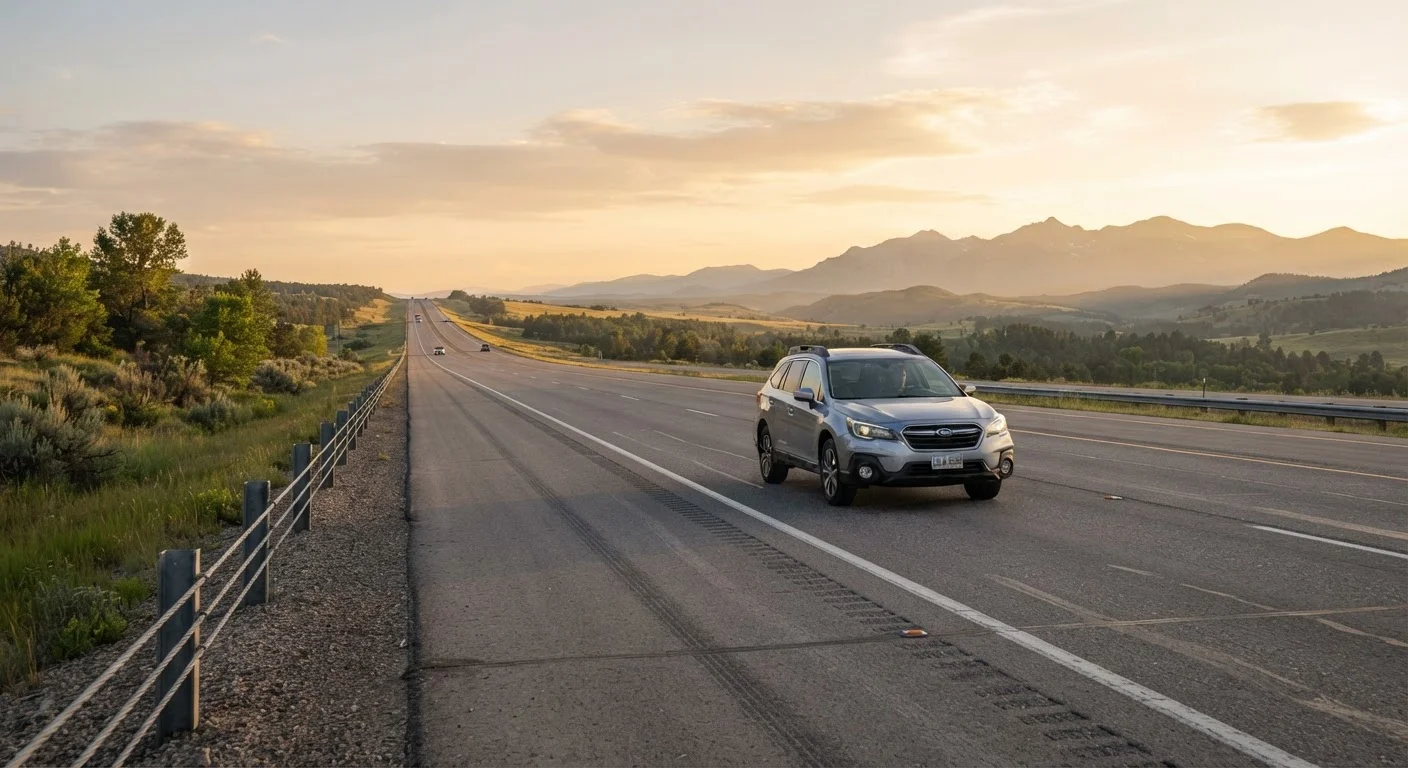
Photo: latesttrend.net editorial
Key Takeaways
- Gentle acceleration and gradual braking can improve fuel economy by up to 30% in city driving.
- Maintaining a steady highway speed around 55-60 mph uses noticeably less fuel than faster speeds.
- Idling burns gas without moving the vehicle, so turning off the engine when stopped makes a real difference.
- Anticipating traffic flow reduces unnecessary acceleration and braking cycles.
- Reducing highway speed by 10 mph can cut fuel use by roughly 10-15%.
Why driving behavior moves the fuel-economy needle
The vehicle you drive matters for fuel economy, but how you drive it matters just as much. The U.S. Department of Energy has long documented that aggressive driving habits, including hard acceleration, sharp braking, and high speeds, can lower gas mileage significantly compared to smooth, measured driving. No equipment purchase required. The savings come from physics: moving a vehicle efficiently means managing momentum rather than fighting it.
For families spending several hundred dollars a month on fuel, these habits add up over thousands of miles. They also reduce brake and tire wear, which matters for understanding true vehicle ownership costs.
Accelerate gradually from a stop rather than pressing the pedal hard
Coast toward stops instead of braking at the last moment
Keep highway speeds at or below 60 mph when practical
Turn off the engine when you expect to idle for more than a minute
Use higher gears earlier when driving a manual transmission
The habits that consistently show real results
Not every fuel-saving tip delivers equal impact. The practices below have documented support from fuel economy research, and each one costs nothing to adopt starting with your next drive.
Tire condition works alongside these habits. Underinflated tires create rolling resistance that forces the engine to work harder. For a closer look at that connection, see how tire pressure affects your fuel bill.
Putting it into practice on a daily commute
A typical urban commute involves repeated stop-and-go cycles, which is exactly where smooth driving habits have the most impact. Watching the traffic ahead instead of just the car in front gives you time to coast toward a red light rather than accelerating and then braking hard. That coasting phase recovers seconds of momentum that would otherwise be wasted as heat through the brakes.
On the highway, cruise control helps sustain the steady speed that burns the least fuel. Speed matters significantly at highway rates: fuel consumption rises sharply above 60 mph because aerodynamic drag increases with the square of vehicle speed. Slowing from 70 to 60 mph can reduce fuel use by a meaningful margin on long drives, which is worth considering when planning a budget-friendly family road trip.
These driving habits fit naturally into broader household cost-cutting patterns. Families who consistently spend less tend to apply the same deliberate, low-effort attention to routine decisions that most people make on autopilot, as explored in everyday habits of families who spend less.
The content provided on our blog site traverses numerous categories, offering readers valuable and practical information. Readers can use the editorial team’s research and data to gain more insights into their topics of interest. However, they are requested not to treat the articles as conclusive. The website team cannot be held responsible for differences in data or inaccuracies found across other platforms. Please also note that the site might also miss out on various schemes and offers available that the readers may find more beneficial than the ones we cover.