
Smart Water Use at Home: What Cuts Bills and What Barely Moves the Needle

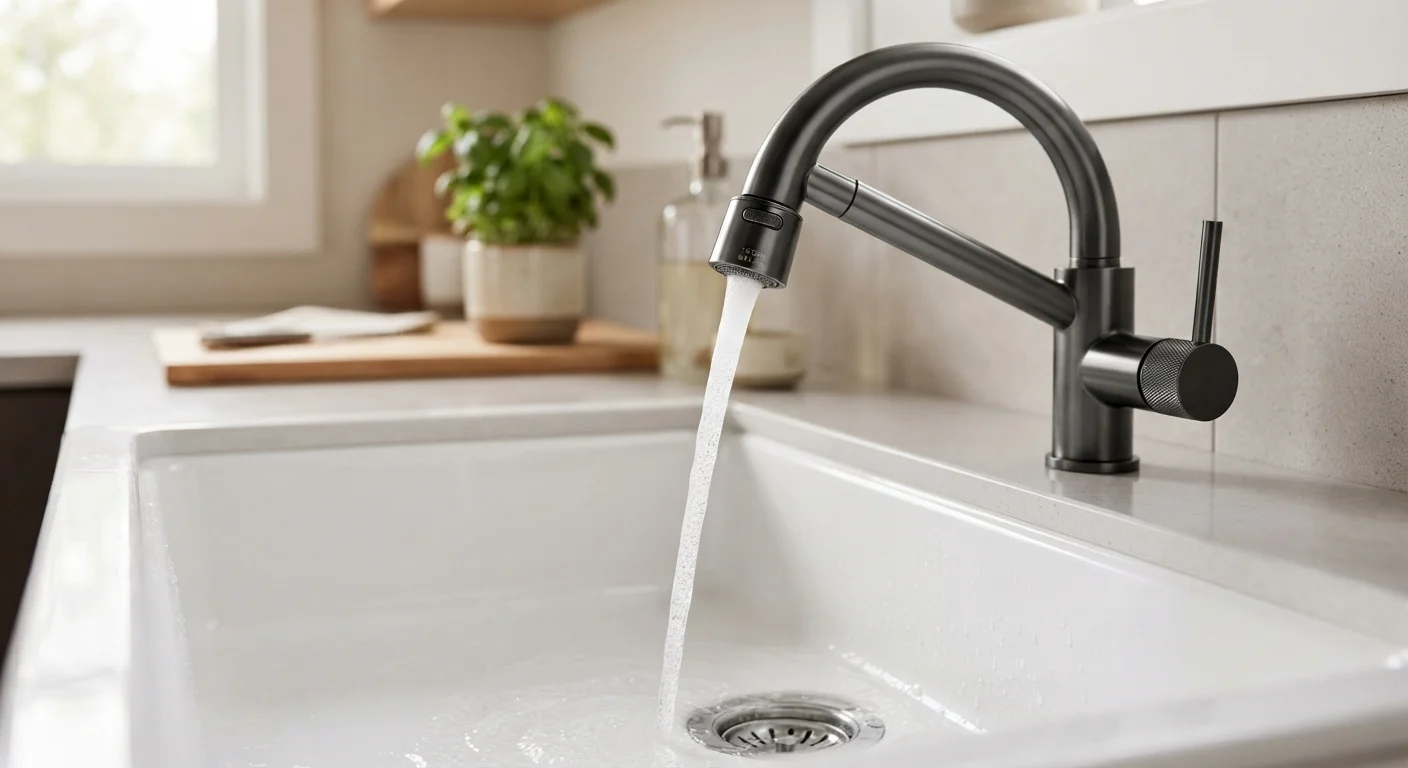
Photo: latesttrend.net editorial
Key Takeaways
- Replacing toilets, showerheads, and washing machines delivers the largest water savings for most households.
- Behavioral changes like shorter showers help, but fixture upgrades typically produce bigger reductions.
- Leak detection and repair can eliminate hidden water waste that no habit change will fix.
- Outdoor watering is often the single largest water use category for homes with yards.
- Smart irrigation controllers can cut outdoor water use without requiring daily manual attention.
Where household water actually goes
Before deciding where to focus, it helps to understand the rough breakdown. According to the U.S. Environmental Protection Agency, toilets account for about 24 percent of indoor water use in a typical American home. Clothes washers follow at around 20 percent, then showers at roughly 20 percent, faucets at 19 percent, and leaks at approximately 12 percent. Everything else, including baths, dishwashers, and miscellaneous use, makes up the remainder.
That distribution matters because it tells you where the ceiling is. A change that affects shower time will touch 20 percent of your indoor water budget at most. A change that affects toilet flushing touches nearly a quarter. And leaks, which most homeowners underestimate, represent water you are paying for without any benefit at all.
Outdoor water use is its own category. For homes with lawns or gardens in drier regions, irrigation can exceed indoor use entirely during warm months, so any outdoor waste has an outsized effect on the annual bill. See landscaping approaches that reduce ongoing yard costs for ways to shape your yard around lower water demand.
The changes that move the needle most
Toilet replacement is consistently the highest-impact indoor upgrade. Older toilets made before 1994 use 3.5 to 7 gallons per flush. Current WaterSense-labeled models use 1.28 gallons per flush. For a household of four that flushes an average of five times per person per day, the difference runs to thousands of gallons monthly.
Washing machines are the second major opportunity. Standard top-loaders built before roughly 2003 use 40 or more gallons per load. High-efficiency front-loaders and newer top-loaders certified under current standards typically use 14 to 25 gallons. A family that runs five to seven loads per week will see a genuine reduction in both water and energy costs from the hot-water savings.
Showerheads deliver meaningful savings with low upfront cost. Older showerheads often flow at 2.5 gallons per minute or more. WaterSense-labeled models are capped at 2.0 gallons per minute. For an eight-minute shower taken daily, that difference adds up to roughly 1,460 gallons per year per person. Multiply by the number of people in your home.
What barely moves the needle
Turning off the tap while brushing teeth is frequently cited as a meaningful saver. It does save water, typically less than one gallon per brushing session. For a household of four brushing twice daily, the annual savings is around 1,400 gallons if everyone complies consistently. That is real, but it is small compared to what a single toilet replacement or one repaired leak delivers.
Dishwashers get a lot of attention, but a modern Energy Star-certified dishwasher typically uses 3 to 5 gallons per cycle. Washing the same load by hand uses roughly 8 to 27 gallons depending on the person. Running a full dishwasher instead of hand-washing is already the water-efficient choice, so there is limited room for further savings there.
Cutting shower time from eight minutes to six saves about 4 gallons per shower. That matters, but it requires daily discipline from every household member and still produces less annual savings than a single faucet aerator swap that reduces flow from 2.2 gallons per minute to 1.0 gallon per minute.
Leaks: the silent drain
A faucet dripping once per second wastes approximately 3,000 gallons per year. A running toilet can waste 200 gallons per day. These are not outlier numbers; the EPA estimates that the average American household's leaks account for nearly 10,000 gallons of water wasted annually.
Finding leaks does not require a plumber. Read your water meter before bed and again first thing in the morning without using any water overnight. If the number has changed, water is moving through your system somewhere. Common culprits include toilet flappers, outdoor hose bibs, and supply line connections under sinks.
Fixing a toilet flapper typically costs under five dollars in parts and takes about 15 minutes. That single repair can save more water per year than a household full of people shortening their showers. Routine preventive maintenance checks are a good time to inspect all supply connections and running fixtures at once.
Outdoor water: the overlooked category
The EPA reports that landscape irrigation accounts for nearly one-third of all residential water use in the United States, and a significant share of that is wasted through overwatering, evaporation, and runoff. Adjusting irrigation schedules to run in the early morning, when evaporation rates are lower, can reduce water demand without changing your landscape at all.
Smart irrigation controllers, which adjust watering schedules based on local weather and soil conditions, can cut outdoor water use noticeably. Unlike many smart home devices, these controllers address a genuine inefficiency rather than adding convenience for its own sake. Review what to check before purchasing any smart home device to avoid paying for features that will not get used.
Grouping plants with similar water needs together, adding two to four inches of mulch around plantings, and replacing high-water-demand grass in low-visibility areas with drought-tolerant ground cover all reduce irrigation demand over time without requiring ongoing behavioral discipline from anyone in the household.
The content provided on our blog site traverses numerous categories, offering readers valuable and practical information. Readers can use the editorial team’s research and data to gain more insights into their topics of interest. However, they are requested not to treat the articles as conclusive. The website team cannot be held responsible for differences in data or inaccuracies found across other platforms. Please also note that the site might also miss out on various schemes and offers available that the readers may find more beneficial than the ones we cover.