
The True Cost of Convenience: What Families Pay for Time-Saving Shortcuts

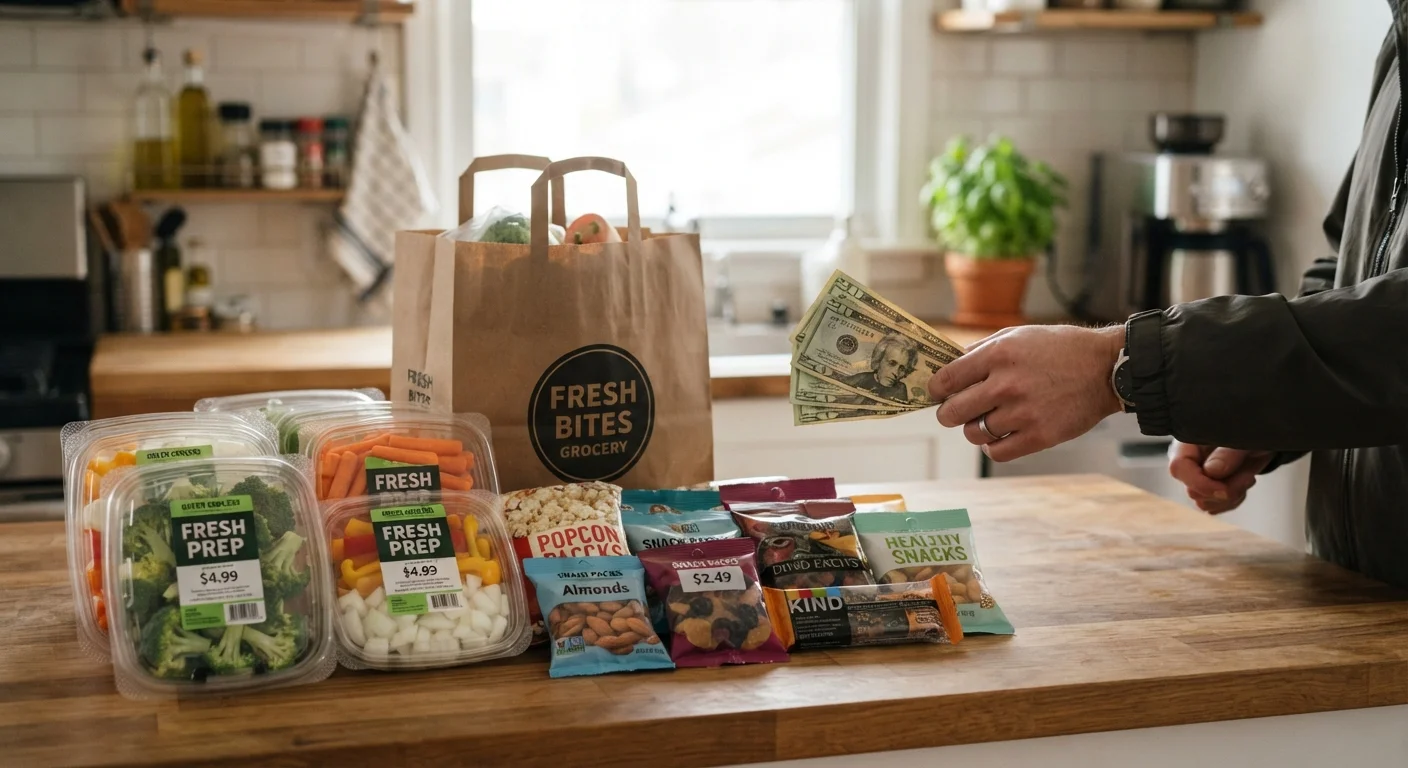
Photo: latesttrend.net editorial
Key Takeaways
- Convenience products typically cost 20 to 40 percent more than their less-prepared equivalents.
- Delivery fees, service charges, and tips can double the cost of a single takeout order.
- The time you actually save is often shorter than it feels when you are tired or rushed.
- Some convenience spending is worth it; the goal is to choose it deliberately, not by default.
- Small recurring convenience costs compound into hundreds of dollars annually.
What you are actually buying when you pay for convenience
Convenience is not a scam. Time is a real resource, and a bag of pre-washed salad greens or a same-day grocery delivery genuinely removes work from a busy parent's day. The problem is that most families pay the convenience premium without ever calculating it, which means they cannot decide whether it is worth it.
The markup is rarely labeled on the shelf. You see a price for the item, not a line that reads "you are paying $1.80 extra to skip five minutes of chopping." Over a week of grocery shopping, those invisible markups accumulate. Over a year, they can reshape a household budget in ways that feel mysterious.
The same logic extends beyond groceries. Delivery fees, single-serve packaging, instant-download software, pay-per-use laundry machines, and app-based services all carry a convenience layer baked into the price. Recurring subscription charges follow the same pattern: each one feels small, and together they do not.
40-100%
Price premium on pre-cut produce
Consumer price comparisons consistently show pre-cut vegetables and fruit carry a 40 to 100 percent markup over whole, uncut equivalents at the same store.
~$4,000+
Annual cost of twice-weekly delivery orders
A family ordering restaurant delivery twice a week at $65 per order spends over $6,700 annually, compared to roughly $1,900 for equivalent home-cooked meals.
2-3 min
Actual prep time for basic vegetables
Common prep tasks like chopping broccoli or slicing bell peppers take two to three minutes per serving, which is the time families are often paying a premium to avoid.
Where families spend the most without noticing
Food is the clearest place to see the convenience premium in action. Pre-cut fruit and vegetables, individually portioned snack packs, single-serve coffee pods, and ready-made sauces all cost more per unit than their unprocessed counterparts. A whole watermelon costs a fraction of the pre-cut container, and the difference is almost entirely packaging and labor you are paying the store to do instead of yourself.
Restaurant delivery compounds the effect. By the time a family of four adds a delivery fee, a service fee, taxes, and a tip, a $40 order can easily land at $60 or more. That same meal cooked at home might cost $15 to $20 in ingredients. The gap is not trivial.
Single-use and convenience-format packaging is another category worth watching. Travel-size toiletries, pre-portioned snack bags, and bottled water purchased daily all carry sharp per-unit premiums over buying in standard sizes. Comparing bulk and weekly shopping is one way to get a clearer picture of where those costs concentrate in your own household.
How to measure whether a shortcut is actually worth it
The honest calculation has two sides: what you spend and what you actually save. On the cost side, find the price difference between the convenient version and the base version. On the time side, clock how long the task actually takes, not how long it feels when you are tired.
Chopping a head of broccoli takes about two to three minutes. If the pre-cut bag costs $2.50 more, you are paying roughly $50 to $75 per hour in implied labor. For some families in some moments, that is a fair trade. For others, it is not. The point is to make the number visible.
Some convenience spending holds up to this test. A slow cooker meal that takes ten minutes of morning prep and saves a $60 delivery order is a genuine win. A $15 monthly app that saves one hour of administrative work per week is probably worth it. Many convenience habits, though, do not survive the math when families actually run the numbers.
Hidden costs also show up in places like travel planning. The "budget-friendly" destination label is a version of the same problem: a low headline price that obscures the real total.
Building a household policy on convenience spending
Families who manage this well tend to make convenience spending a conscious category rather than a default. That means agreeing on which shortcuts are genuinely worth paying for and which ones are habit rather than necessity.
A practical approach is to audit one convenience category at a time. Start with grocery delivery or takeout, calculate the monthly total, and compare it to what the same food would cost prepared at home. Then decide deliberately whether the time savings justify that specific number in your household's situation.
Batch prep is the most common alternative families use to reclaim time without paying premiums. Washing and cutting a week's worth of vegetables on Sunday, portioning snacks into reusable containers, and cooking a double batch of dinner for leftovers all compress time costs into one planned session instead of spreading them across daily convenience purchases.
The daily routines of households that spend less show that the goal is not to eliminate every shortcut. It is to spend on the ones that genuinely improve your week and stop spending on the ones that just feel easier in the moment.
Frequently Asked Questions
The content provided on our blog site traverses numerous categories, offering readers valuable and practical information. Readers can use the editorial team’s research and data to gain more insights into their topics of interest. However, they are requested not to treat the articles as conclusive. The website team cannot be held responsible for differences in data or inaccuracies found across other platforms. Please also note that the site might also miss out on various schemes and offers available that the readers may find more beneficial than the ones we cover.