
Meal Planning on a Tight Budget: A Practical Starting Point for Families

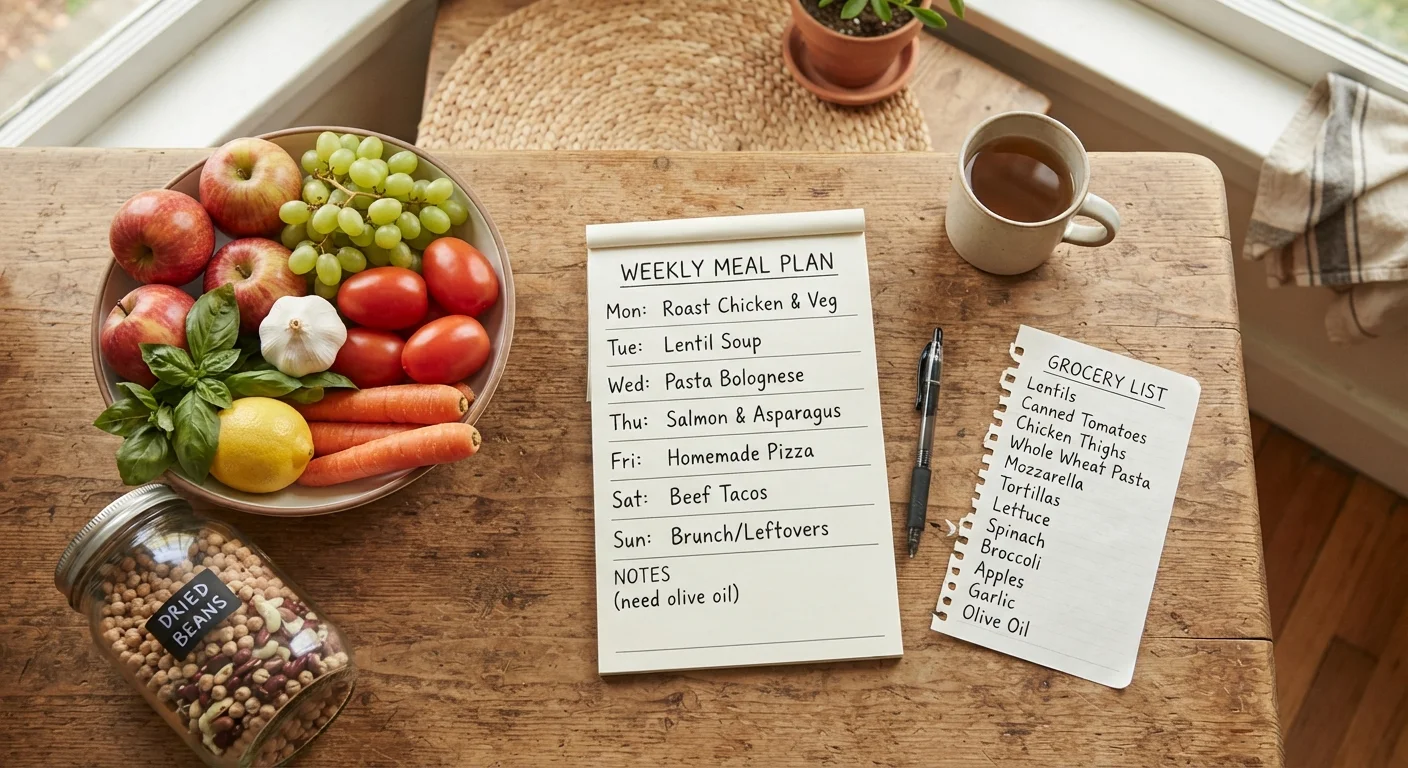
Photo: latesttrend.net editorial
Key Takeaways
- Planning meals before you shop consistently reduces impulse purchases and forgotten items.
- Flexible meal templates work better for busy families than rigid day-by-day menus.
- Stretching proteins and vegetables across multiple meals cuts per-serving food costs.
- Food waste is one of the largest hidden costs in a household grocery budget.
- A meal plan works alongside a broader family budget, not as a replacement for one.
Why meal planning saves money
Most grocery overspending comes from two places: buying things you do not end up using, and making last-minute decisions that pull you toward convenience food. A meal plan addresses both. When you know what you are cooking this week, you buy what you need and skip what you do not.
Food waste is a real cost. The USDA has estimated that American households discard a significant portion of the food they purchase. That wilted produce and forgotten leftover sitting in the back of the fridge represents money already spent. A plan built around what you actually cook reduces that waste directly.
Meal planning also pairs naturally with a household budget. If you use a formal spending framework, see our weekly family budget guide for how to set grocery spending limits that reflect your family's real income. Food costs are one of the few budget categories most families can influence week to week, which makes meal planning a useful tool even if the rest of your finances feel fixed.
Meal plan
A written list of meals you intend to cook over a set period, typically a week, used to guide grocery shopping and reduce unplanned food decisions.
Batch cooking
Cooking a large amount of one food item at once, like a pot of beans or a tray of roasted vegetables, so it can be used across multiple meals during the week.
Ingredient overlap
Choosing meals that share some of the same ingredients so you buy less variety and reduce the chance of unused food going to waste.
Pantry staples
Basic, shelf-stable ingredients you keep on hand regularly, such as canned goods, grains, and cooking oils, that form the foundation of many inexpensive meals.
Meal template
A loose structure for planning meals by category, such as one pasta night and one soup night, rather than locking in a specific recipe for every day of the week.
How to build your first weekly meal plan
Start with dinner, since that is where most family food decisions happen. Write down five to six dinners for the week, not necessarily tied to specific days. A loose list works better than a rigid schedule because it lets you swap meals around when plans change without feeling like you have failed.
Use a template structure: two or three meals built around a protein like beans, chicken, or eggs; one pasta or grain-based meal; one soup, stew, or casserole that reheats well. Breakfast and lunch can follow a simpler rotation, such as eggs and toast on weekday mornings and sandwiches or leftovers for lunch. You do not need to plan every single meal to see a difference.
Involve your household. A plan that nobody wants to eat will not last. Asking each family member to name one meal they want this week costs nothing and raises the chance everyone actually eats what you cook. The habits of consistently frugal families often include simple systems like this, built around small decisions that repeat reliably.
Shopping smart with a plan in hand
Once your meal list is ready, check what you already have before writing a grocery list. Pantry staples like canned tomatoes, dried pasta, rice, and cooking oils often cover part of a week's meals without any new spending.
Write your grocery list by store section: produce, proteins, dairy, dry goods. This shortens shopping time and reduces the wandering that leads to impulse purchases. Avoid shopping when you are hungry, and try to stick to one main shopping trip per week with a small mid-week stop only if necessary.
Check your pantry before every shopping trip
If your family takes road trips, the same planning mindset applies to travel meals. Packing food rather than stopping at every service plaza is one of the practical strategies covered in our family road trips on a budget guide.
Reducing waste and stretching ingredients
Ingredient overlap is the core technique for getting more meals out of fewer items. If you roast a whole chicken on Sunday, the leftover meat can go into tacos on Tuesday and a simple soup on Thursday. A bag of spinach used in a frittata Monday morning can also go into pasta Wednesday night.
Plan meals that use the same perishables across the week rather than buying a different vegetable for every dish. Root vegetables like carrots, potatoes, and onions last well and work in many recipes. Frozen vegetables cost less than fresh for many items and have no expiration pressure.
Batch cooking, meaning preparing a large quantity of one component to use across several meals, reduces both cooking time and the temptation to order takeout on tired weeknights. A big pot of rice, a tray of roasted vegetables, or a batch of cooked beans can anchor three or four meals.
Common mistakes and how to avoid them
Planning meals that require ingredients you rarely stock leads to abandoned plans. Start with recipes you already know how to cook. You can add one unfamiliar meal per week once the habit is stable.
Over-planning is common for beginners. Mapping out every breakfast, lunch, and dinner for seven days creates a plan too rigid to survive a real week. A partial plan that you actually follow is far more useful than a complete one you discard by Thursday.
Skipping the inventory step before you shop is another common source of waste and unnecessary spending. Buying a second jar of pasta sauce because you forgot you already had one is a small cost that, repeated weekly, adds up. A two-minute check of your pantry and fridge before writing your list prevents this.
Meal planning, like any household habit, takes a few weeks to feel natural. Treat the first attempt as a draft. Adjust what did not work and repeat what did. Over time the process becomes shorter and the savings more consistent. For a broader look at the daily choices that support this kind of financial discipline, see our guide to everyday habits of families who spend less.
Frequently Asked Questions
The content provided on our blog site traverses numerous categories, offering readers valuable and practical information. Readers can use the editorial team’s research and data to gain more insights into their topics of interest. However, they are requested not to treat the articles as conclusive. The website team cannot be held responsible for differences in data or inaccuracies found across other platforms. Please also note that the site might also miss out on various schemes and offers available that the readers may find more beneficial than the ones we cover.