
Setting Up a Home Workout Space Without Spending Much

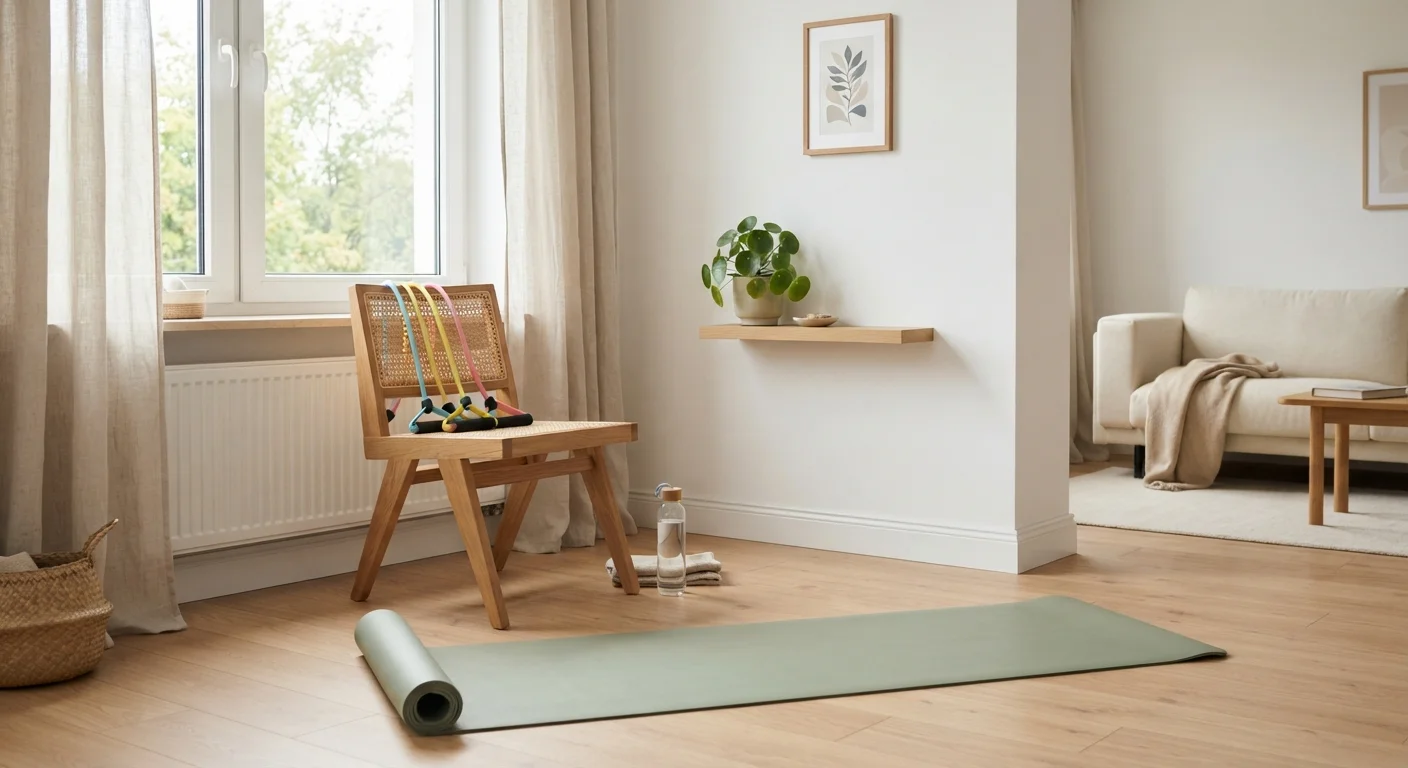
Photo: latesttrend.net editorial
Key Takeaways
- A functional home workout space can be created in almost any room without major spending.
- Clearing a consistent 6-by-6-foot area is enough floor space for most bodyweight and band exercises.
- Repurposed household items such as chairs, towels, and water jugs replace several pieces of gym equipment.
- Flooring protection matters for safety and noise; a basic yoga mat covers most needs.
- Free apps and online videos remove the need to purchase workout programs.
Why the space matters more than the gear
Most families overestimate how much equipment a home workout requires and underestimate how much a poor setup gets in the way. A space that is hard to access, cluttered, or uncomfortable tends not to get used. The goal here is not a perfect gym. It is a consistent place the whole family can return to without friction.
If you are weighing whether a home setup makes financial sense compared to a membership, the real cost comparison between gym memberships and home workouts is worth reading before you spend anything. And if you want zero-equipment options that work outside your home as well, see how everyday spaces can double as workout venues.
The steps below walk through setting up a home space that is safe, usable, and low-cost, in the order that makes the most practical sense.
What you will need
Step-by-step setup
Follow these steps in order. Each one builds on the last, so skipping ahead can create safety or usability problems you will have to fix later.
Choose and clear your space
Pick a spot you can access every day without extra effort. A corner of the living room, a cleared section of a bedroom, a garage bay, or a basement area all work. The minimum usable footprint for most bodyweight exercises is roughly 6 feet by 6 feet.
Remove anything that could cause a trip or fall: loose rugs, cords, furniture with sharp corners. You do not need to permanently rearrange the room. A space that takes two minutes to clear and two minutes to restore is still usable, as long as the clearing routine stays simple.
Address the floor surface
Hardwood, tile, and concrete floors are slippery and hard on joints during floor exercises. A single yoga mat (typically under $20 at discount or secondhand stores) covers most floor work and provides enough grip for standing exercises when used carefully.
If you are working out on carpet, a mat is still useful for defining the space and keeping the surface clean. Thick carpet can actually reduce stability during standing movements, so controlled, slower exercises are safer on that surface.
Identify household items that replace equipment
Before purchasing anything, walk through your home with this question: what here has weight, resistance, or an edge I can hold or push against?
- A sturdy dining chair works for step-ups, incline push-ups, and tricep dips.
- Full water jugs or canned goods provide basic weighted resistance for arm exercises.
- A folded bath towel placed under hands or feet reduces friction for sliding exercises on smooth floors.
- A backpack filled with books adds load for squats or walk lunges when you need more resistance.
For families interested in comparing structured resistance options, bodyweight training versus resistance bands covers the practical trade-offs at low cost.
Manage light and ventilation
Poor air circulation makes any workout more uncomfortable and can become a health concern during higher-intensity activity. Open a window if possible. A basic fan directed at the workout area costs little to run and makes sustained effort more manageable.
Natural light improves mood and visibility. If your space is dim, position a standing lamp nearby rather than working in low light, which can affect your ability to judge footing and form.
Set up a way to follow workouts
Place a phone, tablet, or small screen where you can see it clearly from your workout position without craning your neck. A chair, small shelf, or stacked books at the right height all work.
Free platforms including YouTube, many fitness apps, and public library digital services offer structured workout videos at no cost. Download a session in advance if your connection is unreliable.
Store equipment so it stays accessible
A rolled mat in the corner, a resistance band hanging on a hook, and a pair of water jugs nearby is all most home setups need. The more steps it takes to get started, the less likely the space is to be used consistently.
A small basket or canvas bag on a shelf near the workout area keeps everything in one place without requiring a separate storage unit or rack.
What you can skip buying
A surprising number of common fitness purchases are unnecessary for a functional home space. Mirrors are convenient but not required. Dedicated storage racks matter less when you own only a mat, a band, and a water bottle. Specialized flooring is worth considering only if you plan to use heavy weights, which most bodyweight-focused home routines do not involve.
Workout programming is one area where free resources have closed the gap considerably. The capabilities of free fitness apps now include guided sessions, progress tracking, and timer tools that previously required a paid subscription or a personal trainer.
Before adding any piece of equipment, the pre-purchase checklist for home fitness gadgets can help you decide whether it will actually get used. Many families have found that common fitness myths push them toward purchases they never needed in the first place.
Once your space is set up, pairing it with a structured plan helps. The guide to building a family fitness routine without a gym shows how to use bodyweight movement and the space you just created to build consistency across different ages and fitness levels.
This article is for general informational purposes only and does not constitute medical or fitness advice. Consult a qualified healthcare professional before starting any new exercise program, particularly if you have an existing health condition.
The content provided on our blog site traverses numerous categories, offering readers valuable and practical information. Readers can use the editorial team’s research and data to gain more insights into their topics of interest. However, they are requested not to treat the articles as conclusive. The website team cannot be held responsible for differences in data or inaccuracies found across other platforms. Please also note that the site might also miss out on various schemes and offers available that the readers may find more beneficial than the ones we cover.