
Before You Buy That Home Fitness Gadget: A Pre-Purchase Sanity Check

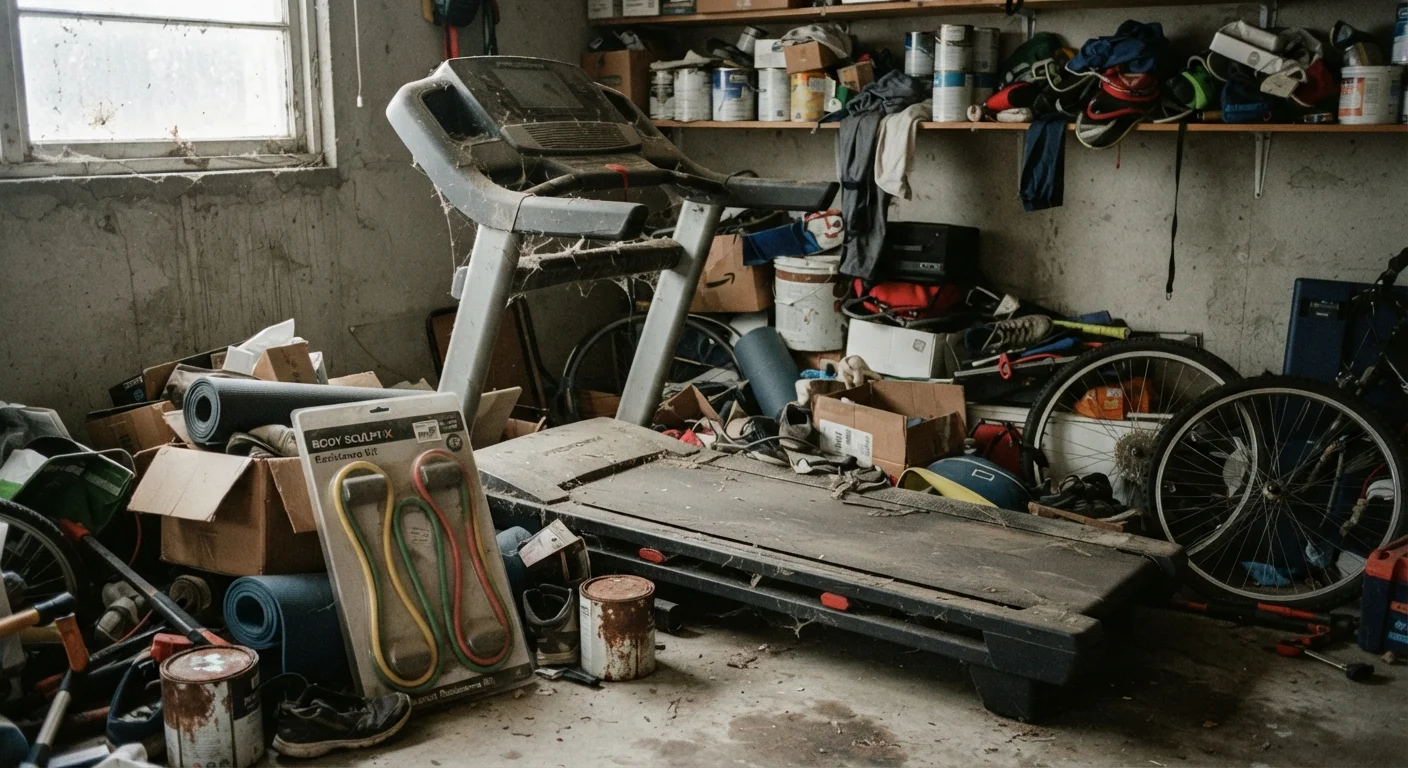
Photo: latesttrend.net editorial
Key Takeaways
- Most home fitness equipment goes unused within a few months of purchase.
- Honest answers to a few practical questions can reveal whether a gadget fits your actual life.
- Free or low-cost alternatives often deliver the same fitness outcome without the spending risk.
- Space, budget, and household buy-in all need to be checked before committing.
- Renting or borrowing equipment first is a reliable way to test whether you will actually use it.
Why this checklist exists
Home fitness equipment is one of the most reliably regretted purchases in American households. Treadmills become clothes racks. Resistance machines collect dust. Stationary bikes sit untouched three months after delivery. The spending feels justified in the moment, but the math rarely works out.
This checklist is designed to slow that process down. Before you spend anything, work through these questions honestly. If you are already weighing whether a gym membership or home gear makes more financial sense, see our cost comparison breakdown for a structured look at the numbers.
The checklist covers four areas: your actual fitness habits, your space, your household, and your budget. Each one matters. A piece of equipment that fails even one of these areas is a significant financial risk.
Your actual fitness habits
Space and logistics
Household buy-in
Budget and financial fit
What to do if you score poorly
If you worked through the checklist and found several "no" answers, that result is useful. It does not mean you cannot get fit at home. It means the gadget you were considering is probably not the right move right now.
A good starting point is building a routine that costs nothing. Building a family fitness routine from scratch covers how to use bodyweight moves and free outdoor spaces consistently. Many families find that once they have a working routine in place, the appeal of expensive equipment fades.
Free fitness apps are also worth considering before spending on hardware. Free fitness apps are more capable than most people expect, including guided workouts and progress tracking that rival paid platforms. If the gadget you were eyeing was meant to provide structure or accountability, an app may do that job for nothing.
If you still want equipment after building a free routine, consider borrowing or renting first. Facebook Marketplace, library loan programs, and community centers sometimes offer equipment access at little or no cost. Treat it as a trial period. If you use borrowed gear consistently for six to eight weeks, that is a real signal. If it goes unused, you saved significant money.
For families planning a dedicated workout space rather than a single gadget, setting up a home workout space on a small budget gives a practical room-by-room approach. And if you want to pressure-test more of your fitness spending assumptions, common fitness myths that cost families money is worth reading alongside this checklist.
Financing fitness equipment adds real risk
The content provided on our blog site traverses numerous categories, offering readers valuable and practical information. Readers can use the editorial team’s research and data to gain more insights into their topics of interest. However, they are requested not to treat the articles as conclusive. The website team cannot be held responsible for differences in data or inaccuracies found across other platforms. Please also note that the site might also miss out on various schemes and offers available that the readers may find more beneficial than the ones we cover.