
Why a Higher Megapixel Count Does Not Always Mean a Better Camera

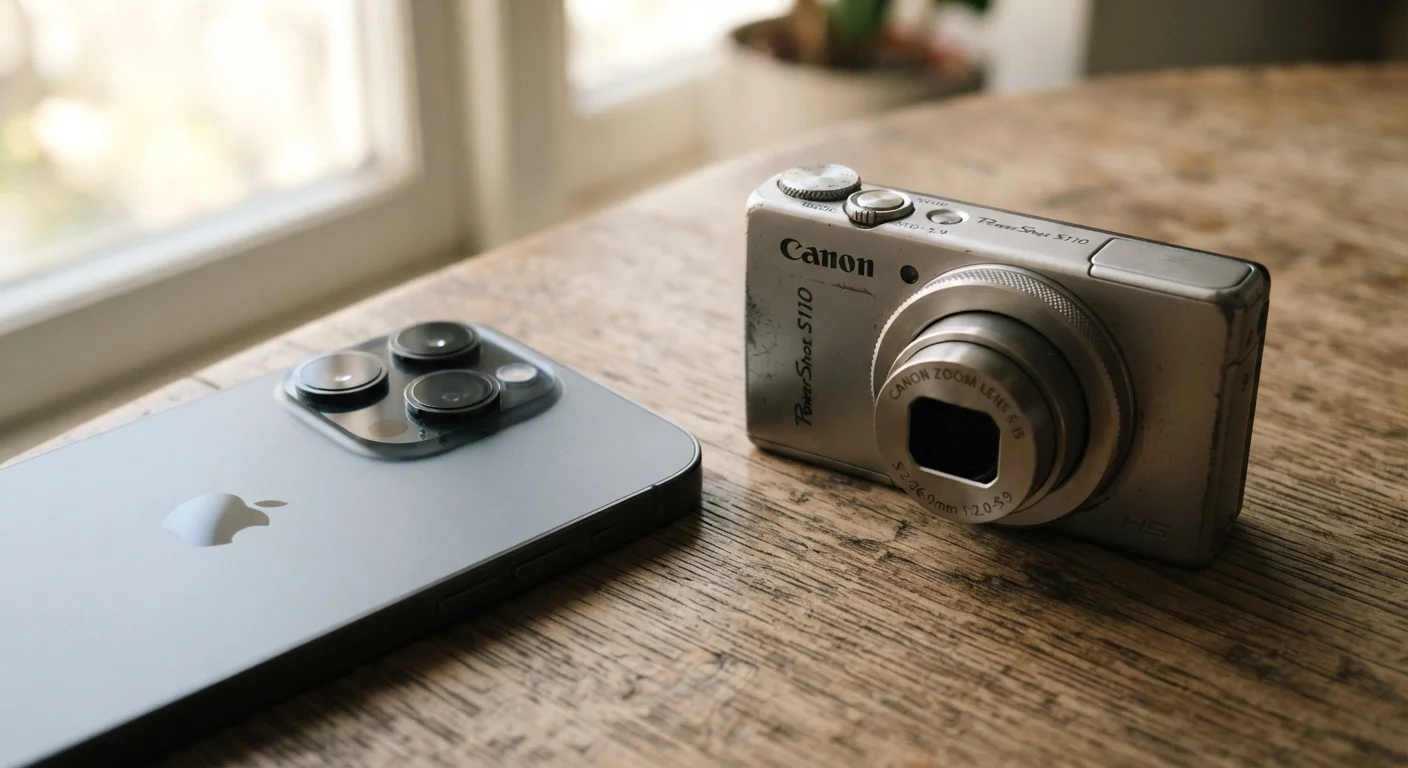
Photo: latesttrend.net editorial
Key Takeaways
- Sensor size and pixel quality matter more than raw megapixel count for photo quality.
- A 12-megapixel image from a large sensor often looks better than a 108-megapixel image from a tiny one.
- Lens quality, aperture, and image processing software shape the final photo as much as resolution.
- More megapixels increase file sizes and storage demands without a proportional gain in visible quality.
- Understanding a few core specs helps families avoid overpaying for numbers that rarely affect everyday photos.
Why megapixels dominate the marketing conversation
Camera makers and phone manufacturers put megapixel counts in large print on packaging and spec sheets because the number is easy to compare. A 200-megapixel camera sounds twice as good as a 100-megapixel one, even if the actual photos are nearly indistinguishable in most situations. That comparison logic is simple, and simple sells.
A megapixel is one million pixels. Each pixel captures a small portion of a scene, so more pixels mean more detail, in theory. That relationship is real, but it applies only when every other part of the camera system can keep up. When they cannot, extra pixels add storage costs and almost nothing else.
Myth
A higher megapixel count always produces better photos.
Fact
Megapixel count is one variable in a system; sensor size, lens quality, and processing software each have as much or more effect on the final image.
Two cameras can have the same megapixel count and produce very different photos because the sensor behind those pixels differs in size and technology. A larger sensor captures more light, which reduces noise and improves color. Pixel count alone does not measure any of that.
Myth
Doubling the megapixels doubles the detail you can see in a photo.
Fact
Resolution improvements follow a square-root relationship: quadrupling the megapixels is needed to double the linear resolution, and the human eye has limits on how much detail it can perceive at normal viewing distances.
Going from 12 megapixels to 48 megapixels is a fourfold increase in pixel count, but the actual edge-to-edge sharpness only doubles. On a phone screen or a standard 4x6 print, the difference is invisible. The gain shows only in very large prints or heavy crops.
Myth
More megapixels means photos look better in low light.
Fact
Low-light performance depends primarily on sensor size and aperture, not megapixel count. Packing more pixels onto a small sensor can actually make low-light performance worse.
Cramming more pixels onto the same small sensor shrinks each individual pixel. Smaller pixels capture less light, which makes images noisier in dim conditions. Some phone manufacturers reduce the effective resolution at night by combining neighboring pixels, a technique called pixel binning, because fewer, larger pixels perform better in the dark.
Myth
A 200-megapixel phone camera is better than a 12-megapixel one for everyday photos.
Fact
For typical family photos shared digitally, a 12-megapixel image from a camera with a quality sensor and lens is often cleaner and more accurate than a 200-megapixel image from a phone with a small sensor.
Many professional cinema cameras and high-end mirrorless cameras use sensors in the 12 to 24 megapixel range and produce images that professional photographers are paid to take. The resolution is sufficient for nearly every use case short of billboard printing, and the large sensor and quality optics produce results that outperform higher-resolution systems built around smaller components.
Myth
Zoom and megapixels are the same thing: more megapixels equals more zoom.
Fact
Optical zoom and megapixel count are completely separate. Zoom is determined by the lens; megapixels determine how many data points are captured, not how far the lens can reach.
A camera can have 108 megapixels and no optical zoom, or 12 megapixels and a powerful telephoto lens. Digital zoom, which crops and enlarges a portion of the existing image, is not the same as optical zoom and does not require extra megapixels to function. Optical zoom quality comes from lens design, not from resolution.
What actually shapes photo quality
The sensor is the flat chip behind the lens that converts light into image data. A physically larger sensor collects more light per pixel, which produces cleaner images in low light and better color accuracy across the board. Sensor size is rarely listed prominently in ads, but it has a direct effect on the photos you actually get.
The lens determines how much light reaches the sensor and how sharply it is focused. Aperture, the opening through which light passes, is measured in f-numbers: a lower f-number means a wider opening and more light. A phone with a wide aperture lens and a modest megapixel count will frequently outperform a phone with a higher megapixel count and a slower lens in dim conditions, such as indoor birthday parties or evening sports events.
Image processing is the third major factor. Every camera applies software to raw sensor data before saving the final image. This processing corrects color, reduces digital noise (the grain visible in dark photos), and sharpens edges. The quality of that processing pipeline varies considerably across devices at similar price points.
4x
Pixel increase needed to double visible sharpness
Because resolution scales with the square root of pixel count, you need four times as many megapixels to see twice the linear detail in a printed or displayed image.
1/2.5"
Typical small phone sensor size
Many budget and mid-range phones use sensors around this size, which limits light-gathering ability regardless of how many megapixels are packed onto it.
When more megapixels do matter
Higher resolution is genuinely useful in specific situations. If you regularly print photos at large sizes, say poster-size prints for a school project or a wall display, more pixels give you more detail to work with. Cropping a high-resolution photo to isolate a small area also preserves more sharpness than cropping a low-resolution one.
Professional photographers who sell or license images sometimes need the extra resolution for client requirements. For a family taking photos at a school play, a vacation, or a backyard gathering, those use cases rarely apply. Most photos are viewed on phone screens or shared through social media platforms, which compress and resize images anyway, erasing much of the resolution difference.
Practical guidance for evaluating a camera purchase
When comparing cameras or phones, look for sensor size information alongside megapixels. Sensor dimensions are sometimes listed in millimeters or as fractions of an inch. A sensor listed as 1/1.3 inch is larger than one listed as 1/2.5 inch, and that size difference has a measurable effect on image quality.
Reading sample photos taken in low light gives a better sense of real-world performance than reading spec sheets. Photography review sites regularly publish side-by-side comparisons using consistent test conditions, which makes it easier to see differences that specs alone do not reveal.
Storage is also worth considering. A 50-megapixel photo file is roughly four to five times larger than a 12-megapixel one. On a device with limited storage, that fills up memory cards and cloud plans faster without delivering visible improvements in the photos you share every day.
Watch out for spec-sheet marketing
The content provided on our blog site traverses numerous categories, offering readers valuable and practical information. Readers can use the editorial team’s research and data to gain more insights into their topics of interest. However, they are requested not to treat the articles as conclusive. The website team cannot be held responsible for differences in data or inaccuracies found across other platforms. Please also note that the site might also miss out on various schemes and offers available that the readers may find more beneficial than the ones we cover.